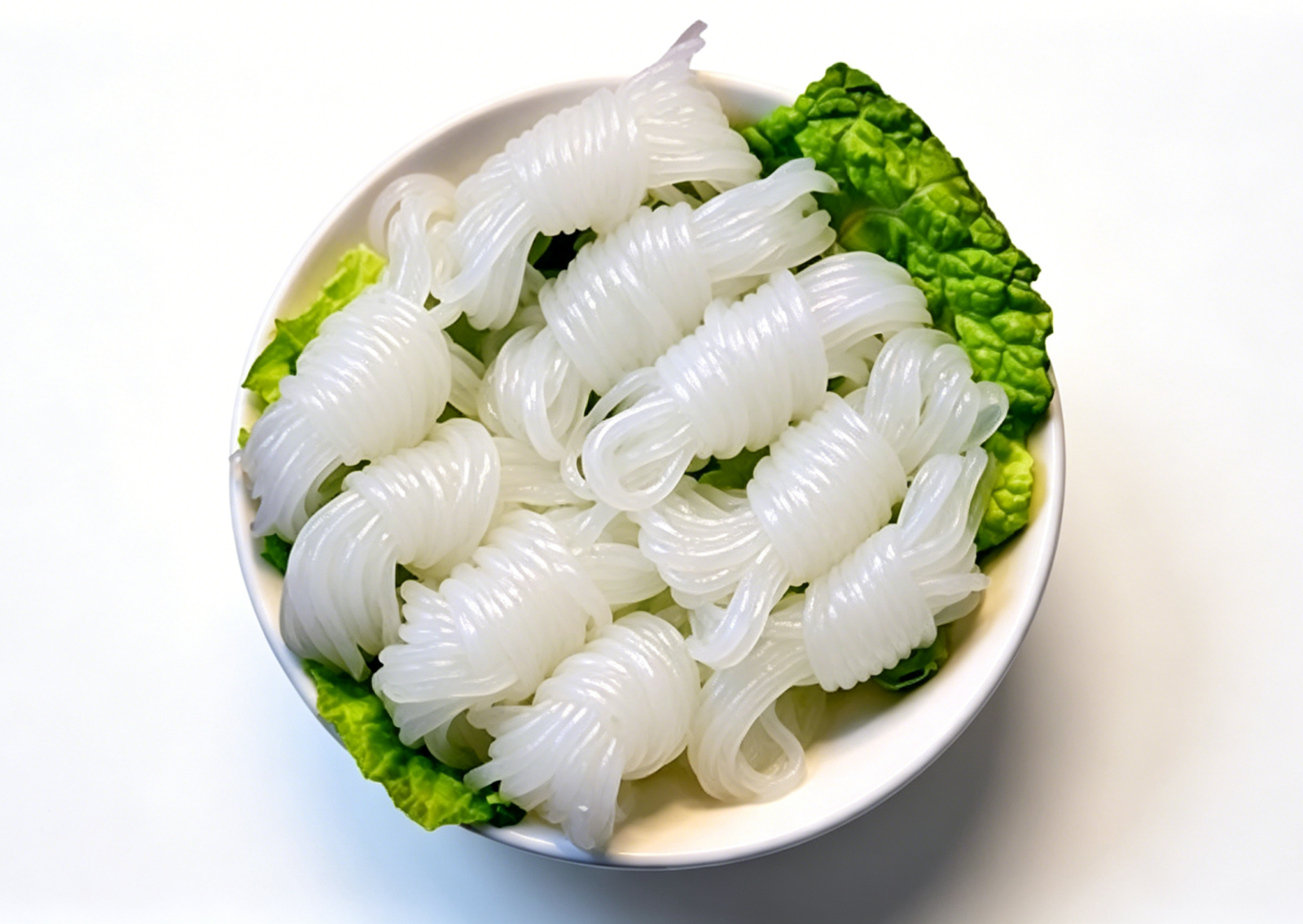
Konjac gel food has a history of 2,000 years. Add water in an amount 30 to 50 times the weight of konjac flour, stir the mixture into a paste, then incorporate calcium hydroxide accounting for 5% to 7% of the konjac flour. The final product is obtained after mixing and solidification. Calcium hydroxide is conventionally used in the production of konjac gel food across the industry, since konjac food can only solidify in an alkaline environment. Moreover, compared with other alkalis, calcium hydroxide delivers superior performance in terms of gel texture, taste, color and cost-effectiveness for konjac gel products. It has been used for this purpose since ancient times, and the calcium ions it contains can also be absorbed by the human body. Additionally, finished konjac gel food must be preserved by soaking in liquid, so calcium hydroxide also functions as an acidity regulator. In Japan, calcium hydroxide is also a universally recognized alkali (acidity regulator) applied in the konjac food industry.
Calcium hydroxide, a special food additive for konjac products, is mainly used in the production of processed konjac foods such as konjac balls, konjac vegetarian products and konjac noodles. The application of calcium hydroxide can extend the shelf life of products. The finished products feature bright color, delicate and uniform texture, proper toughness and tensile strength as well as intact shape. They have good palatability, a smooth texture, pleasant chewiness and no peculiar odors.