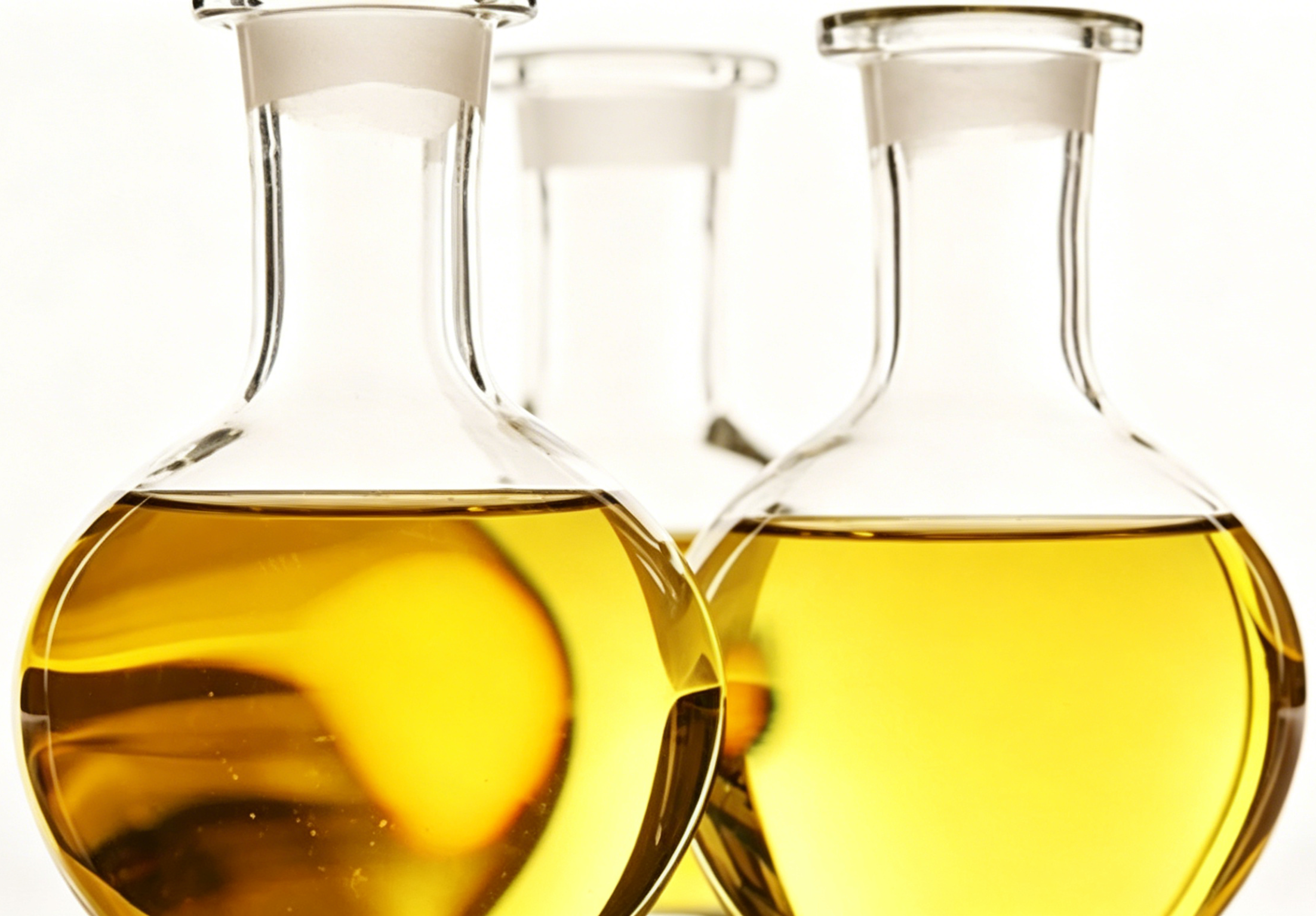
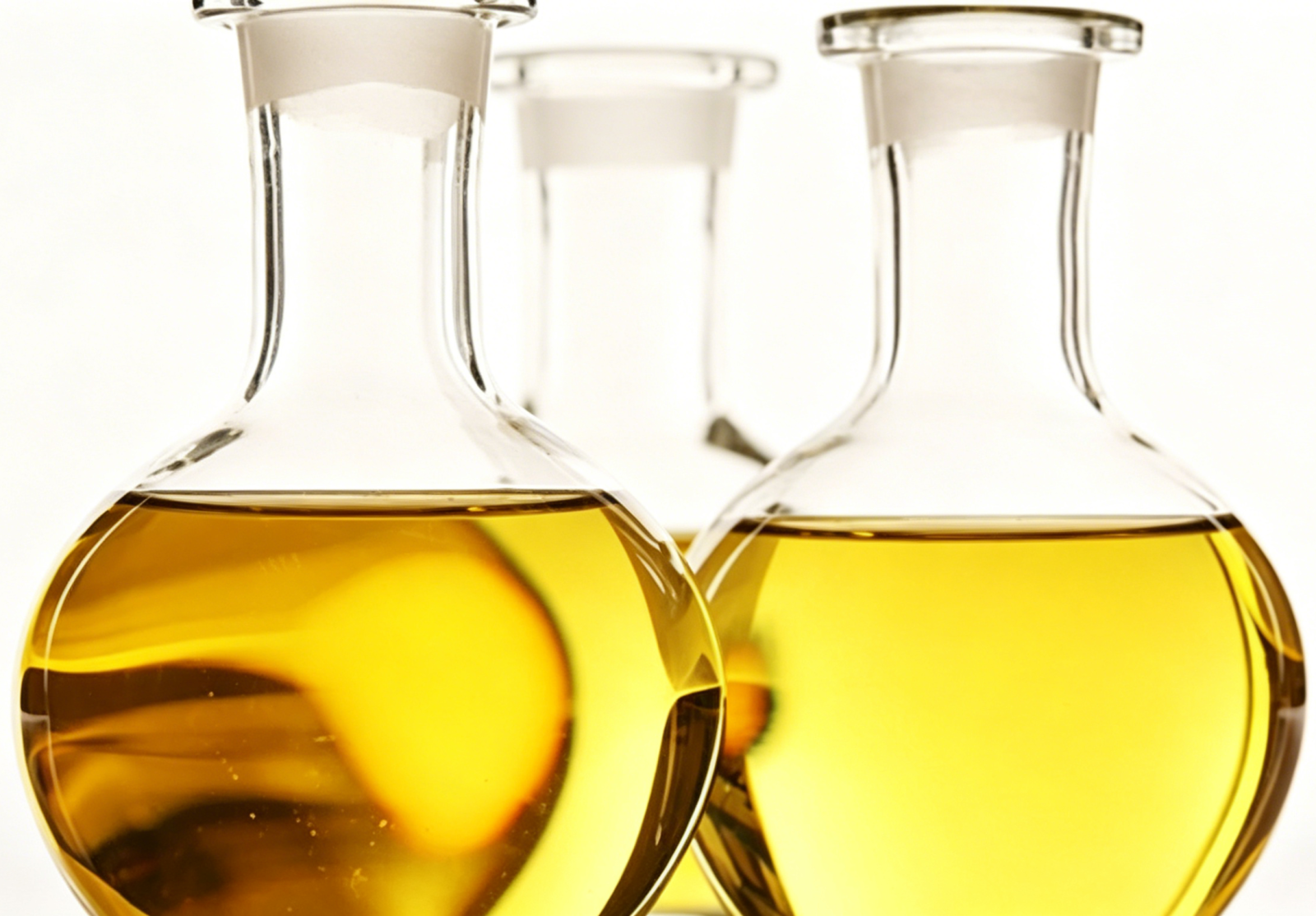
Lubricating oil products have diverse and extremely strict usage requirements. Even after deep refining and fraction blending, it is difficult to fully meet the specifications set by product standards. For this reason, various additives are often incorporated into lubricating oils to improve certain service performances. The quality of lubricating oils is not only related to the composition and properties of base oils, but also largely depends on the types, quality of additives and their compatibility with one another. Accordingly, high-quality lubricating oils generally adopt compound additives.
Lubricant additives are mainly classified into ten categories by function: detergent-dispersants, anti-oxidation and anti-corrosion agents, extreme pressure anti-wear agents, oiliness agents, antioxidants and metal deactivators, viscosity index improvers, rust inhibitors, pour point depressants, anti-foaming agents and demulsifiers. Among them, detergents primarily neutralize acids, solubilize substances and disperse sludge in lubricating oils, and most detergents are organometallic compounds.
Currently, most metallic detergents used overseas are overbased. An overbased detergent is generally prepared by dispersing calcium carbonate and calcium hydroxide in neutral metallic detergents. In petroleum refineries, calcium hydroxide is mainly used to neutralize acidic substances. For instance, if acidic substances leak accidentally, pre-prepared calcium hydroxide will be applied for neutralization to prevent the leaked acids from spreading, causing corrosion and damaging the surrounding environment.
Calcium soap formed by the reaction of calcium hydroxide with natural fats or synthetic fatty acids can thicken medium-viscosity petroleum lubricating oils to produce calcium-based lubricating grease. This type of grease features excellent water resistance and is not prone to emulsification and deterioration when exposed to water, making it suitable for lubricating various mechanical parts operating in humid environments or in contact with water. It has a short fiber structure and possesses good shear stability and thixotropic stability, thus delivering outstanding lubrication and protection performance.